
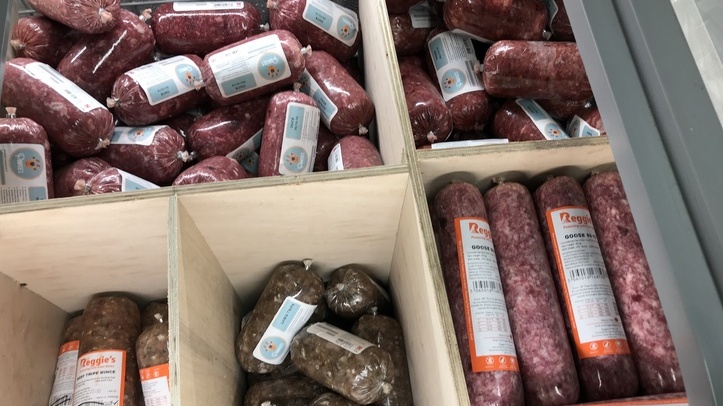
The Pet Industry Federation (PIF) has welcomed an intervention by the Food Standards Agency (FSA) to remind pet owners about the importance of safety when handling and preparing raw pet food.
The warning came after a survey conducted by FSA found that 35% of 380 raw dog and cat food products bought from retail stores and online between March 2023 and February 2024 contained harmful bacteria including Salmonella, Campylobacter and E. coli, while 29% failed to meet UK legal safety standards.
While the FSA has worked with local authorities to address some of the more serious cases, it also issued a reminder to pet owners that following simple hygiene practices when storing, defrosting, handling and preparing these products can reduce the risk of illness, particularly among young children, pregnant women, older people and those with weakened immune systems.
Rick Mumford, interim chief scientific advisor for the FSA, said: “Follow the same hygiene principles you would when preparing food for the humans in your life; washing hands thoroughly with soap and water, cleaning all surfaces, and storing and defrosting pet food and treats away from human food.”
The Pet Industry Federation (PIF) welcomed the reminder, while acknowledging that raw feeding has become a significant part of the UK pet market and a valued category for specialist pet retailers, who can offer important advice to shoppers on storage, handling and feeding choices.
PIF chief executive Nigel Baker said: “Raw is now a mainstream category for many specialist pet shops and an important commercial opportunity that supports high street pet retail. Customers often choose to purchase raw in store because it gives them confidence around handling, storage and selecting the right product for their pet.
“PIF represents the wider pet sector, including nine UK raw manufacturers and many retailers who sell raw. Our members are committed to high standards. We welcome clear, practical guidance for consumers because good hygiene and safe handling are the most effective ways to reduce risk in the home. It also helps reputable retailers give consistent advice and build trust with customers.”